
How to Track Expenses as a Digital Nomad: The Complete Guide
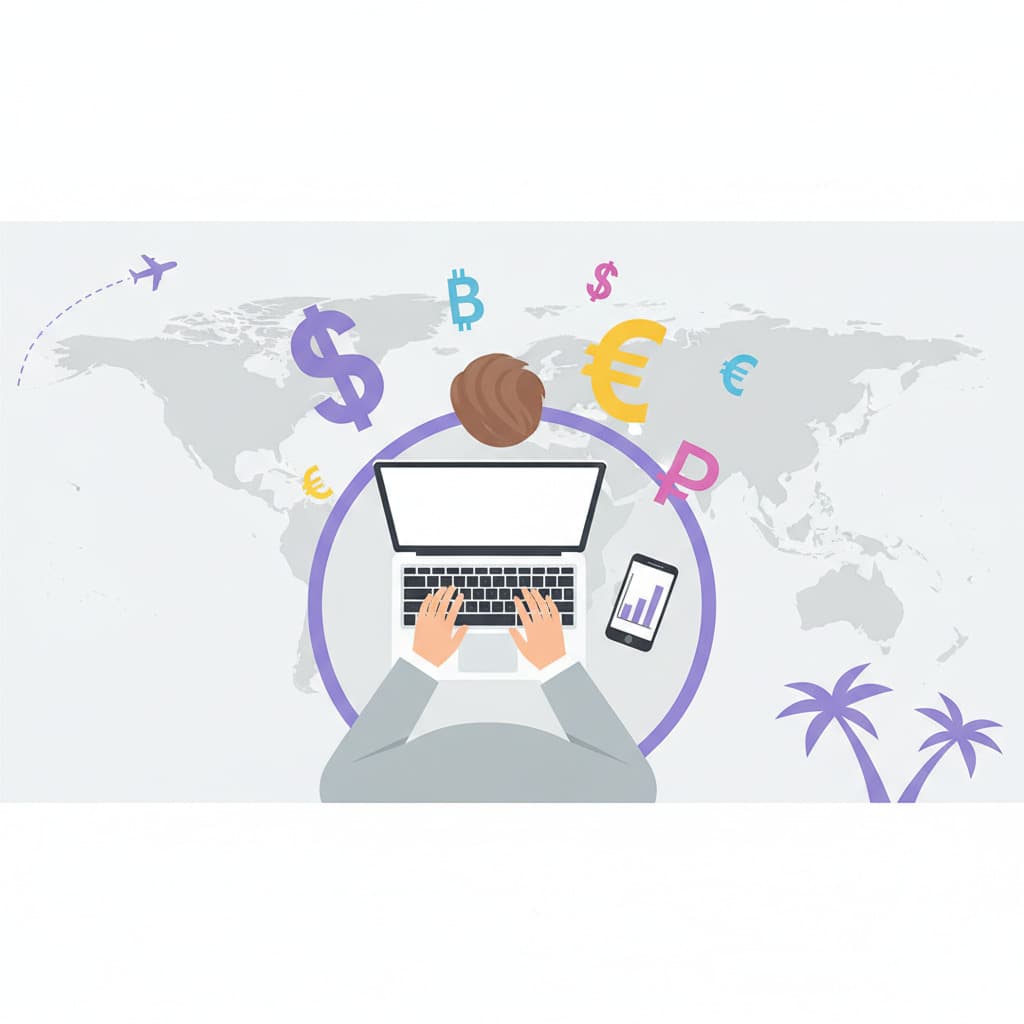
Managing money while hopping between countries is one of the biggest challenges digital nomads face. Between fluctuating exchange rates, different payment methods, and shared expenses with travel partners, it's easy to lose track of where your money goes.
This guide covers everything you need to know about tracking expenses as a digital nomad — from choosing the right tools to building habits that keep your finances under control.
Why Expense Tracking Matters for Digital Nomads
Unlike people with a fixed cost of living, digital nomads deal with constantly changing expenses. One month you're in Bali spending $1,200, the next you're in Lisbon at $2,500. Without tracking, it's nearly impossible to:
- Know your actual monthly burn rate
- Compare the cost of living between destinations
- Budget accurately for the next few months
- Catch subscription leaks or unnecessary spending
The digital nomads who sustain their lifestyle long-term are almost always the ones who track their spending consistently.
The Multi-Currency Problem
The single biggest pain point for nomad expense tracking is dealing with multiple currencies. When you pay for lunch in Thai Baht, a coworking space in Colombian Pesos, and your software subscriptions in US Dollars — all in the same week — spreadsheets start to fall apart.
A good expense tracker for digital nomads needs to handle currency conversion automatically. You should be able to log expenses in the local currency and instantly see what that means in your home currency.
NomadWallet supports over 150 currencies and handles conversions automatically, so you always know exactly what you're spending in the currency that matters to you.
Shared Expenses: The Couple's Challenge
If you travel with a partner, tracking shared expenses adds another layer of complexity. Who paid for the Airbnb? Who covered groceries? Keeping a mental tally doesn't work, and sending payment requests after every meal gets old fast.
The best approach is a real-time shared account where both partners can add expenses as they happen. No manual syncing, no end-of-month settling up — just a shared view of your spending that stays current automatically.
5 Practical Tips for Digital Nomad Expense Tracking
1. Log Expenses Immediately
The number one rule: track expenses the moment they happen. Waiting until the end of the day (or worse, the end of the week) means you'll forget small purchases and your data becomes unreliable.
Use an app that makes adding expenses fast — ideally under 5 seconds. If it takes longer than that, you'll stop doing it.
2. Categorize Consistently
Pick a set of categories and stick with them. Common categories for nomads include:
- Accommodation — rent, hotels, Airbnb
- Food — groceries and eating out
- Transport — flights, trains, taxis, scooter rental
- Coworking — workspace fees
- Health — insurance, gym, medical
- Entertainment — activities, drinks, sightseeing
- Subscriptions — software, streaming, cloud storage
3. Track by Trip or Destination
Organizing expenses by trip or destination lets you compare costs between cities. This is invaluable when deciding where to go next or estimating how long your savings will last.
Being able to visualize your journey on a map alongside spending data turns raw numbers into actionable insights.
4. Review Weekly
Set aside 10 minutes every Sunday to review your spending. Look for patterns, surprises, and areas where you might cut back. Weekly reviews catch problems early before they become expensive habits.
5. Don't Forget Subscriptions
Digital nomads tend to accumulate subscriptions — VPNs, cloud storage, project management tools, streaming services. These small recurring charges add up quickly. Track them separately and review quarterly to cancel anything you're not actively using.
Choosing the Right Expense Tracker
Not every expense tracking app works well for the nomad lifestyle. Here's what to look for:
- Multi-currency support with automatic conversion
- Fast expense entry — the fewer taps, the better
- Shared accounts for traveling with a partner
- Trip-based organization to compare destinations
- Offline capability for areas with poor connectivity
- Clean, simple interface — you'll use it multiple times daily
We built NomadWallet specifically for this use case. It handles multi-currency tracking, real-time shared accounts, trip maps, voice input, and subscription management — all designed for people who move between countries regularly.
Start Today
The best time to start tracking your expenses was when you first went nomad. The second best time is today. Pick a system, commit to logging every expense for one month, and you'll be amazed at what you learn about your spending habits.
Your future self — the one trying to figure out if they can afford three more months in Southeast Asia — will thank you.